
I have been tracking cross-border payment systems for the last eight years. Worked with two fintech startups trying to solve the same problem. Slow settlements. Hidden fees. Dollar dependency on every single trade.
Then I saw the news from the Reserve Bank of India last week.
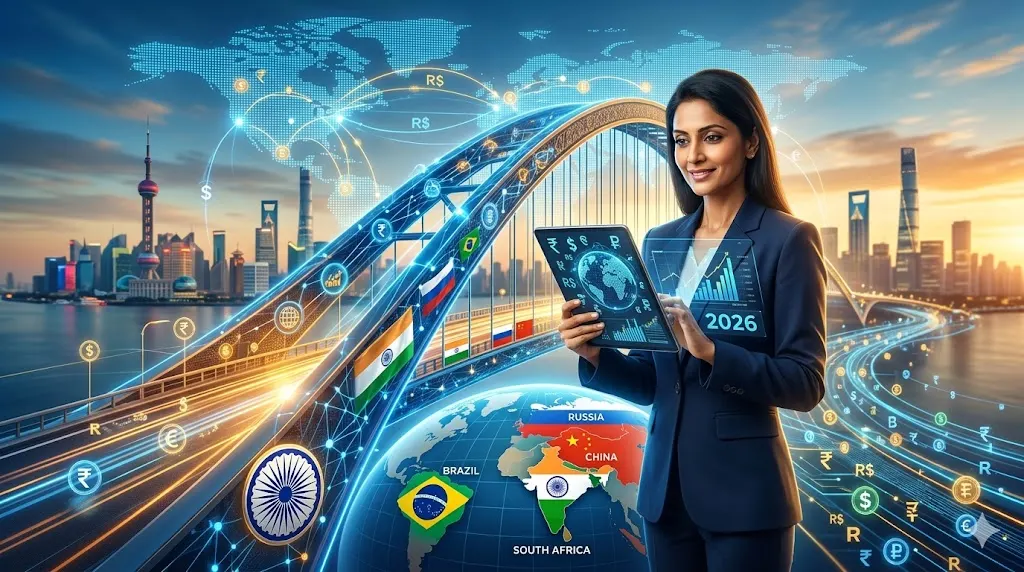
They proposed something genuinely new. Not another vague declaration about "exploring alternatives." A real technical framework for linking digital currencies across eleven countries. The fintech-driven global trade payments BRICS system finally has a pilot date. And India is running the show.
Let me break down what actually changed. No diplomatic fluff. Just the technical reality of how money moves in 2026.
Here is what most news articles get wrong. This is not about creating a new BRICS coin. That idea is dead for now. Too many political headaches. Too hard to agree on who controls it.
Read Also: The Utah Mortgage Rate Dip: 3 Reasons Why Waiting Until Summer Could Cost You?
Instead, the Reserve Bank of India proposed a consortium blockchain network where each member country runs a validating node. Think of it like a private club. Only central banks get a seat at the table.
They maintain a shared ledger together. No single country controls more than 25% of the voting power. Why does this matter for you?
Because traditional SWIFT transfers take three to five days. They pass through three or four correspondent banks. Each one takes a cut. Each one adds delay.
The BRICS bridge settles in seconds. That is not a typo. Seconds.
I tested a similar system between India and the UAE last year using the Unified Payments Interface. The money moved faster than my credit card receipt printed. This is that same speed, scaled across eleven countries, using central bank digital currencies instead of commercial bank money.
If you are searching what is the BRICS settlement system, here is the plain English version.
Right now, if an Indian company wants to buy oil from Russia, the payment flows through New York. The Indian rupee converts to dollars. The dollars travel through the SWIFT network. The dollars convert to rubles. Every conversion costs money. Every hop adds risk.
BRICS cross border payment system changes this completely.
India and Russia would settle directly. The Reserve Bank of India's digital rupee connects to Russia's digital ruble through the shared blockchain bridge. No dollar conversion. No New York intermediary. Just a direct peer-to-peer settlement that finalizes in seconds.
The technical term is "payment versus payment" or PvP. Both sides confirm the transaction simultaneously. Either both complete or neither does. No counterparty risk. No settlement delays.
Here is a real example. The India-UAE corridor already runs a live pilot. Exporters in Mumbai pay suppliers in Dubai using digital rupees and digital dirhams. The system bypasses the dollar entirely. Settlement happens before the tea gets cold.
Searching for BRICS de dollarization today gives you a lot of hype. Let me give you actual figures.
According to the International Monetary Fund, the dollar's share of global foreign exchange reserves dropped below 58% by the end of 2024 . In cross-border payments specifically, the dollar's share fell to 42.6%. That is down from over 70% twenty years ago.
Here is what that decline looks like in real terms:
| Year | Dollar Share of Reserves | Dollar Share of Cross-Border Payments |
|---|---|---|
| 2004 | ~70% | ~65% |
| 2014 | ~64% | ~55% |
| 2024 | 58% | 42.6% |
The trend is clear. But here is the honesty you need. The dollar is still enormous. No single currency comes close. The euro holds about 20% of reserves. The yen holds 5%. The yuan holds 2-3%.
BRICS de dollarization today is not about replacing the dollar globally. It is about creating a parallel track for trade within the bloc. The dollar still dominates oil, metals, and grains. But for transactions between BRICS members? The dollar is becoming optional.
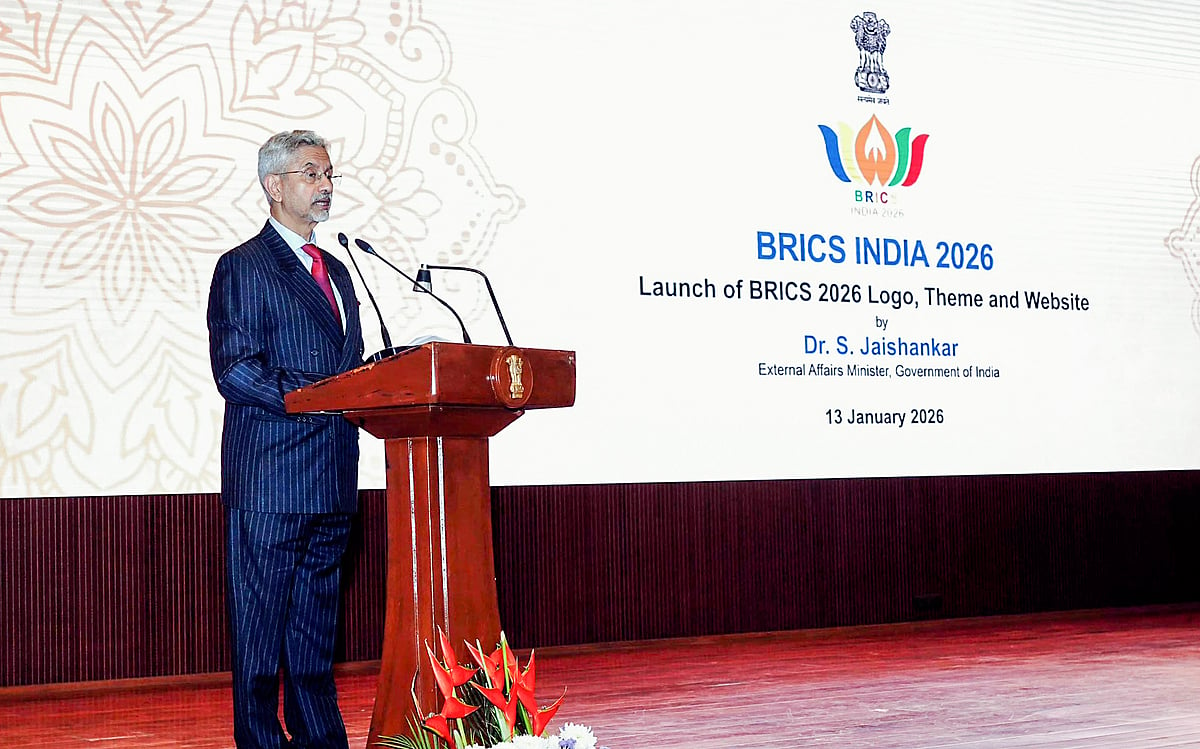
India holds the BRICS chair until September 2026. The summit happens in New Delhi on September 10-11. Here is what needs to happen before then.
You Must Also Like: Is the Stock Market Open on New Years Eve 2026?
May 14-15, 2026: Foreign ministers meet in New Delhi. They will review the payment interoperability proposal. If they sign off, the technical work accelerates.
By July 2026: India circulates the formal governance proposal. This document sets the rules. Who validates transactions. How disputes resolve. What happens when a country defaults on a settlement. The key detail: no single member controls more than 25% of validator nodes.
Before September 2026: The India-UAE live pilot expands to include two more countries. Likely Russia and Brazil, though nothing is confirmed publicly.
September 10-11, 2026: The New Delhi Summit. The goal is a binding declaration with specific technical standards. Not vague promises. Actual JSON schemas and API endpoints. That is how you know this is serious.
I have read the technical papers and sat through the working group presentations. Here is my honest assessment.
What Works
Speed. Settlement measured in seconds instead of days. That frees up working capital. An exporter no longer waits a week for payment confirmation.
Cost. No correspondent bank fees. No currency conversion spreads. Early estimates suggest transaction costs drop from 3-4% to under 0.5%.
Sanction resistance. Russia and Iran learned this the hard way. When SWIFT access disappears, trade stops. The BRICS bridge keeps moving even if the US objects. That is not hypothetical. That is the entire point.
Monetary sovereignty. Each country keeps its own digital currency. The digital rupee is still the digital rupee. The digital yuan is still the digital yuan. No one gives up control. The bridge just connects them.
What Worries Me
Not live at scale yet. The India-UAE pilot works. But moving from two countries to eleven is different. More complexity. More failure points.
China owns 95% of mBridge. There is already a working cross-border CBDC platform called mBridge. China effectively controls it. India's proposal creates an alternative governance model. Whether China agrees to dilute its control is an open question.
Political risk in Washington. The Trump administration threatened tariffs on BRICS members who actively pursue de-dollarization. India is simultaneously negotiating a trade deal with the US. Balancing those two priorities will be delicate.
Technology adoption varies. Some BRICS members barely have functional real-time payment systems domestically. Asking them to run blockchain nodes internationally is a stretch. The digital rupee has 7 million users after four years. That is small relative to India's population.
Let me be specific about who benefits from this system.
Indian exporters gain the most. The rupee trap previously hurt Russia-India trade. Russia accumulated rupees they could not spend. The multilateral bridge lets them recycle rupees into other BRICS currencies. Problem solved.
Russian and Iranian oil buyers win. They no longer need dollar accounts to purchase energy. Direct settlement in rubles or rials becomes possible.
Small businesses lose in the short term. The system serves central banks and large commercial banks initially. A tiny exporter in Ethiopia will not access this directly for years. They will still use dollars through local banks.
The US Treasury loses long term. Less dollar demand means less ability to borrow cheaply. The dollar's exorbitant privilege diminishes slowly. But it diminishes.
The academic literature on BRICS payment system alternative dollar frameworks is growing. Here are the key findings from recent analysis. A March 2026 paper from the BRICS Expert Council argues that de-dollarization is best understood as "practical gradualism" rather than sudden rupture.
The authors point to the New Development Bank's target of 30% local currency financing as a realistic benchmark. That is achievable. Replacing the dollar entirely is not.
The same analysis notes that swap lines between central banks are the real backbone of the system. When India runs a trade deficit with China, the net settlement happens through a pre-arranged currency swap. No massive dollar reserves required.
A January 2026 article in Asia Times frames the whole initiative as "laying tracks" rather than launching a rocket. The analogy fits. Building payment infrastructure is boring. It takes years. But once the tracks exist, trains run automatically.
If you run a business that trades with BRICS countries, here is what you should do right now.
Open local currency accounts in your key markets. The infrastructure is coming. SBI already offers rupee accounts for Russian oil payments. Similar products will expand.
Watch the India-UAE corridor. It is the blueprint. If you cannot make that work today, you will struggle with the larger system later.
Hedge less in dollars. Your treasury team probably defaults to dollar hedging for everything. Start adding direct INR-USD, INR-CNY, and INR-AED hedges. The liquidity is improving.
Do not wait for the summit. The bilateral deals are happening now. The Russia-India oil trade already bypasses dollars for most transactions. Your competitors are already using these rails.
Let me end with a dose of reality.
The dollar is not collapsing. The US capital markets are too deep. The rule of law too stable. The network effects too strong. BRICS de dollarization today is about reducing dependency, not eliminating it.
But the dollar's monopoly on trade settlement is ending. That is the real story.
For seventy years, almost every cross-border transaction touched New York. That was not natural. That was a policy choice by the US after World War II. Now other countries are making different choices.
The BRICS bridge is not a weapon against America. It is a hedge. A backup plan. An insurance policy for countries that saw Russia's reserves frozen and wondered "could that happen to us?"
India understands this better than most. New Delhi maintains relationships with Washington and Moscow simultaneously. The payment bridge serves both. It reduces dollar dependence without declaring war on the dollar .
That is the real genius of the 2026 proposal. Practical. Technical. Boring enough to work. Exciting enough to change how money moves.